New Whitewater Canal SCENIC BYWAY DIGITAL DRIVING GUIDE
 Metamora, Indiana – June 3, 2012 – Just in time for the summer travel season, the Whitewater Canal Byway Association (WCBA) is introducing an on-line, four-color digital driving guide to help visitors explore the Whitewater Valley. The guide features the Whitewater Canal Scenic Byway, its sister byway – Presidential Pathways Scenic Byway–and Ripley County’s portion of the historic Michigan Road. The guide is viewable as a magazine on a digital publishing site or can be downloaded as a PDF file, both can be accessed at www.
The comprehensive 141-page guide provides turn-by-turn directions to more than 260 historical, cultural, and recreational sites in the eight-county region of southeastern Indiana and southwestern Ohio. Shorter guides are also available for the each of the individual routes: Canal Route, Loop 1-East Fork Loop, Loop 2 –Oldenburg-Batesville Loop, Loop 3-Dearborn-Ripley Loop, Presidential Pathways Scenic Byway, and Historic Michigan Road Corridor.
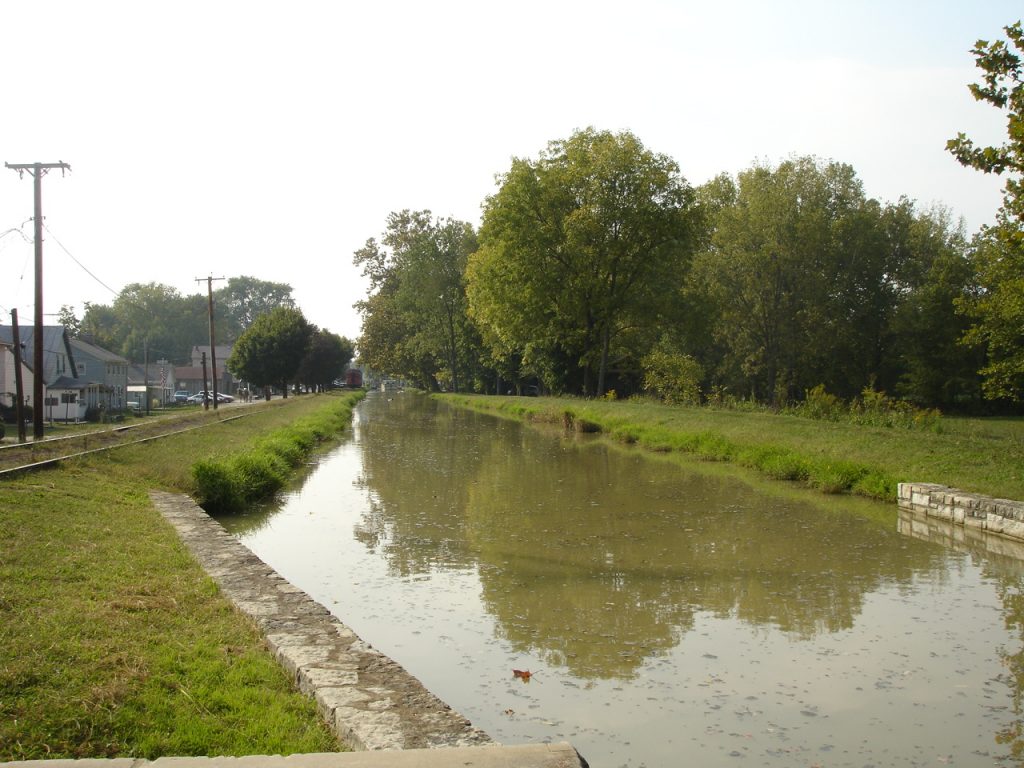
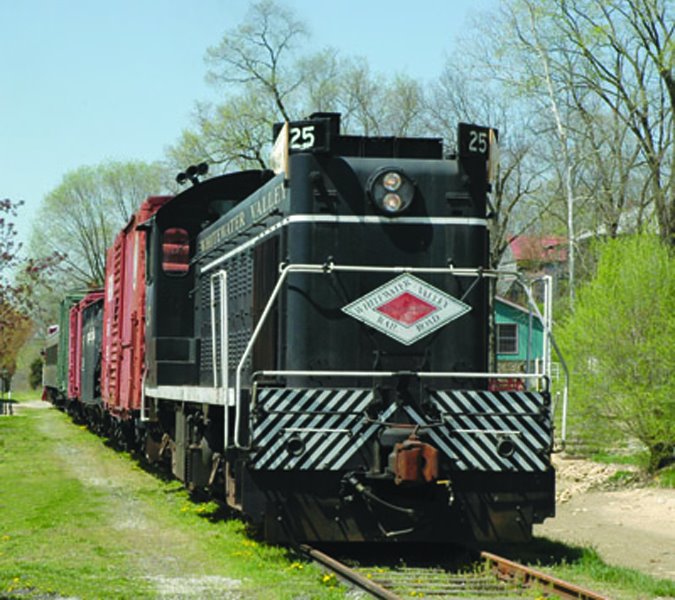
“We are excited to have this new tool to help visitors explore the Whitewater Valley’s rich transportation history, share its culture, and take advantage of its many recreation opportunities,” said Candy Yurcak, WCBA President. “The guide is designed to showcase the valley from a visitor’s perspective so it weaves together the historical, cultural, scenic, and recreational sites as well as the stories that make our history come alive. Visitors can take the canal boat in Metamora, ride the train in Connersville, see historic cars in Richmond, and visit Cambridge City where the National Road crossed the canal. When people travel they are seeking well-rounded experiences which includes things to do, sites to see, places to eat and sleep, and the culture and stories that provide meaning and memories,” she added.
The guide’s digital format allows the WCBA to keep the guide up to date. “Rather than print a guide and have it become dated as soon as it is released, we chose to publish it digitally so we can change it as the byway continues to evolve,” said project director Phil Anderson of ReThink!, based in Carmel, Indiana. “By linking to county tourism bureaus’ websites, recreational sites, and lodging sites, we are connecting the valley in real time, while the partners keep their own information current,” he added. The guide is being published on Issuu’s free site, so that resources can be directed to future development of the routes and the region.
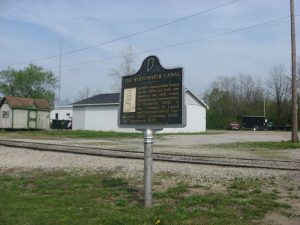 “We are grateful to Indiana Humanities and Indiana Landmarks for an Historic Preservation Education Grant which provided the seed funding for the driving guide project,” said Yurcak. “We also want to thank our volunteers and community leaders for their assistance with the guide’s information and photographs. Through the years, the river, canal, railroad and roads connected the valley. Today, the byway adds another layer to the connections between villages, towns and cites throughout the region. We are stronger together,” Yurcak concluded.
The Whitewater Canal Byway Association is a not-for-profit organization representing interests in eight counties–Dearborn, Fayette, Franklin, Ripley, Wayne and Union in Indiana and Butler and Hamilton in Ohio. The group includes business leaders, elected officials, community foundations, economic development groups, tourism organizations, historical groups, community leaders, and others. The WCBA is responsible for the oversight and development of the Whitewater Canal Scenic Byway and the region’s new Whitewater Valley Gateway Park.
Indiana Humanities, the statewide affiliate of the National Endowment for the Humanities, connects people, opens minds and enriches lives by creating and facilitating programs that encourage people to think, read and talk. Its grant programs assist grassroots organizations and communities in capturing their histories and creating promising futures. Indiana Landmarks revitalizes communities, reconnects us to our heritage, and saves meaningful places. With nine offices located throughout the state, Indiana Landmarks helps people rescue endangered landmarks and restore historic neighborhoods and downtowns.
###
If you would like additional information about the project, please contact project director, Phil Anderson at 317-294-2775, ruralphil@gmail.com or Candy Yurcak, 765-647-5879, copperron@aol.com.

0 comments